Sandbox Games: Unlocking Educational Potential Through Playful Learning
In recent years, the education sector has undergone a profound transformation, shifting from traditional modes of instruction to more innovative approaches that incorporate technology and interactive methods. One of these exciting developments is the use of sandbox games as a medium for educational purposes. This article explores the potential of sandbox games to foster learning experiences, the educational value derived from playful learning, and examples like the Disney Kingdoms Moana Puzzle and survival video games on Xbox One.
What Are Sandbox Games?
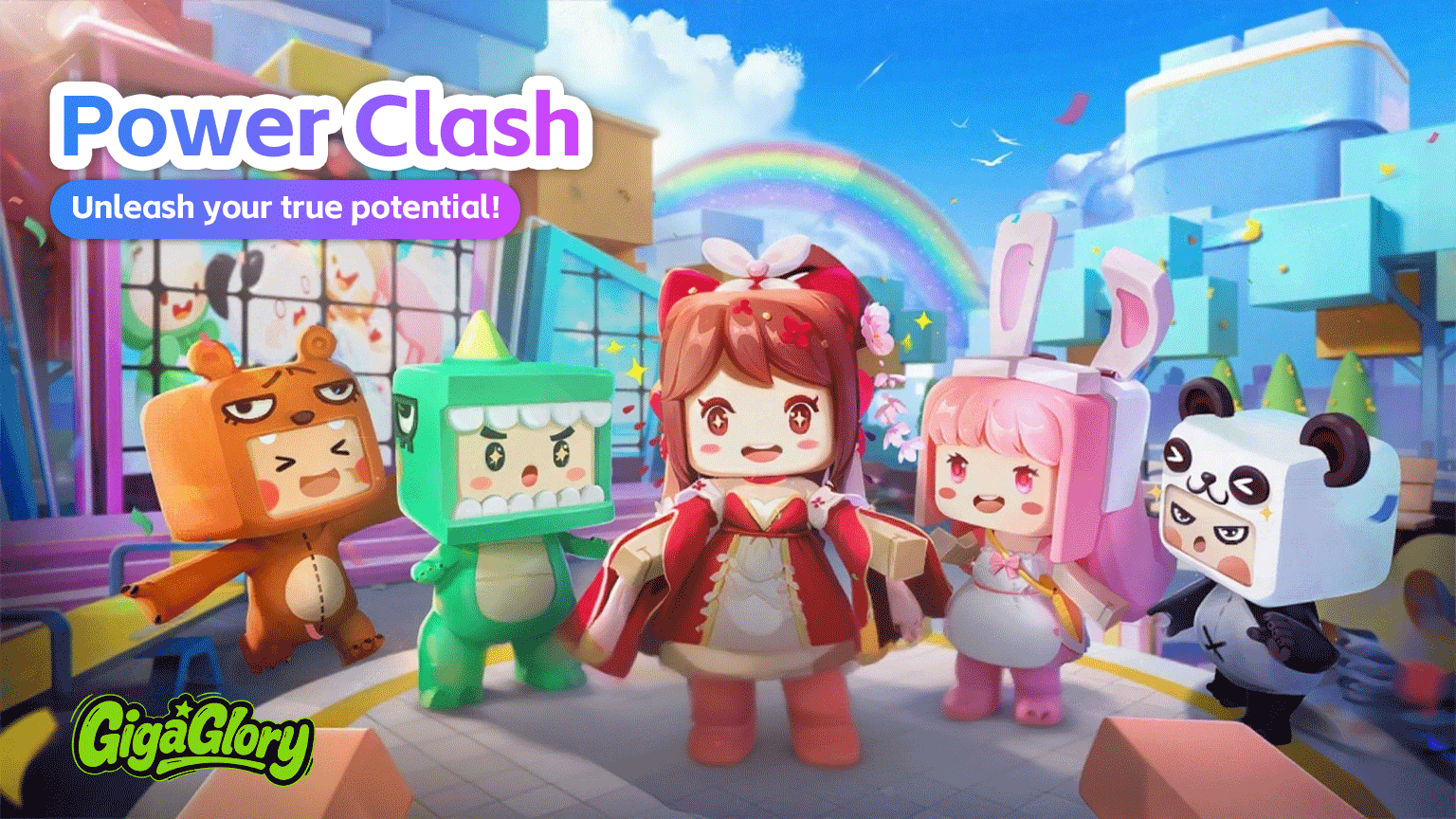
Sandbox games refer to a genre of video games that offer players freedom to explore, create, and modify their environments. Unlike structured games with a fixed path, sandbox games encourage creativity and critical thinking by allowing players to approach challenges in versatile ways. This genre has gained popularity not just for entertainment but also for educational purposes.
The Rise of Educational Games
As more educators recognize the immense potential of educational games, there is a growing trend to integrate video games as pedagogical tools. These games are designed to enhance learning experiences through engagement and interaction. They can transform mundane subjects into captivating experiences, making learning enjoyable rather than a tedious task.
Benefits of Using Sandbox Games in Education
Sandbox games hold several advantages that can significantly enhance educational outcomes:
- **Creativity and Exploration**: Students can experiment with different concepts, fostering creativity.
- **Problem-Solving Skills**: They develop critical thinking and problem-solving skills by tackling various scenarios.
- **Collaboration**: Many sandbox games encourage teamwork, helping students learn the importance of collaboration.
- **Engagement**: These games make learning fun, which helps in retaining attention and motivation.
Case Studies: Sandbox Games in Practice
To illustrate the effectiveness of sandbox games in educational settings, we can look at successful examples:
Disney Kingdoms Moana Puzzle
The Disney Kingdoms Moana Puzzle game combines entertainment with educational elements. By solving puzzles alongside beloved characters, players learn problem-solving skills, pattern recognition, and strategic thinking in an engaging environment.
Survival Video Games on Xbox One
Survival video games on platforms like Xbox One immerse players in scenarios that require them to make quick decisions, develop survival strategies, and manage resources effectively. These elements teach valuable lessons about perseverance and planning, which can translate well to academic settings.
Integrating Sandbox Games into Curriculum
To effectively harness the potential of sandbox games in education, institutions should consider how to integrate them into their curricula:
- **Identify Learning Objectives**: Define what students should learn from engaging with a sandbox game.
- **Choose Appropriate Games**: Select games that align with the identified objectives.
- **Enhance Interaction**: Incorporate collaborative projects or group tasks based on the game mechanics.
- **Assess Learning Outcomes**: Evaluate the educational impact through assessments and feedback.
Key Points for Educators
Some crucial aspects to consider when implementing sandbox games in the classroom include:
| Aspect | Description |
|---|---|
| **Flexibility** | Sandbox games allow for various learning paths, accommodating different learning styles. |
| **Engagement** | Interactive elements keep students motivated and involved. |
| **Critical Thinking** | Problem-solving scenarios promote analytical skills. |
| **Teamwork** | Encouraging students to work together fosters communication and collaboration. |
Challenges and Considerations
While the advantages of sandbox games in education are numerous, there are also potential challenges:
1. **Screen Time**: Excessive gaming may lead to concerns about screen time and its effects on health.
2. **Distraction**: The open nature of sandbox games might divert attention from learning objectives.
3. **Equity**: Ensuring all students have access to necessary technology can be a hurdle.
4. **Assessment**: Measuring learning from games can be difficult without clear parameters.
Future of Sandbox Games in Education
The future of sandbox games in education looks promising. As technology continues to evolve, educational institutions will likely find more innovative ways to integrate these games. With the rise of virtual reality and augmented reality, the potential for immersive learning experiences is boundless.
Conclusion
Sandbox games offer an engaging, innovative way to enhance educational experiences. They cultivate creativity, improve problem-solving skills, and foster collaboration among students. While there are challenges to consider, when integrated thoughtfully, these games can form an invaluable part of a well-rounded educational strategy. As educators continue to explore the possibilities, students can unlock their full potential through the power of playful learning.