Why Indie Strategy Games Are Revolutionizing the Gaming Landscape: A Deep Dive
Indie strategy games are experiencing a surge in popularity, fundamentally *changing* the way we understand gaming as a medium. But what makes these games stand out? In this article, we'll take a closer look at indie strategy games, explore their impact on the gaming landscape, and discuss why they're gaining traction among players, particularly in Hong Kong.
The Rise of Indie Games

The gaming industry has long been dominated by major studios, but in recent years, indie developers have carved out a significant niche. With fewer resources but often more creativity, these developers are redefining what it means to be a game maker.
Characteristics of Indie Strategy Games
- Innovation: Indie games often introduce unique mechanics and narratives.
- Personal Touch: Developers pour their personal stories and passions into their creations.
- Community Engagement: Many indie games thrive on community feedback and participation.
Online Games Like Clash of Clans
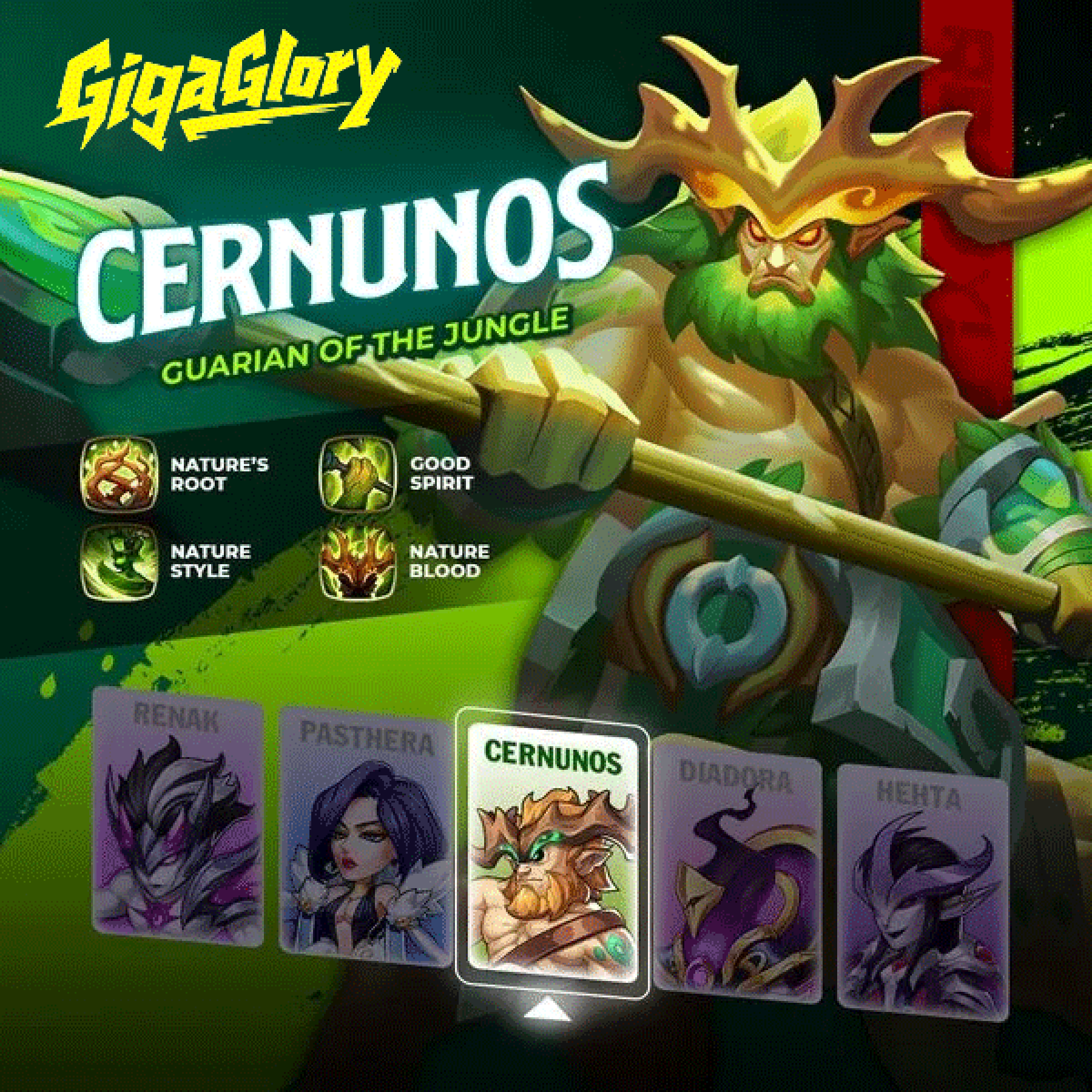
One cannot discuss the strategy genre without mentioning popular games like Clash of Clans. These games blend competitive play with social elements and have paved the way for indie developers to explore their unique takes on strategy.
Delta Force Airborne: A Case Study
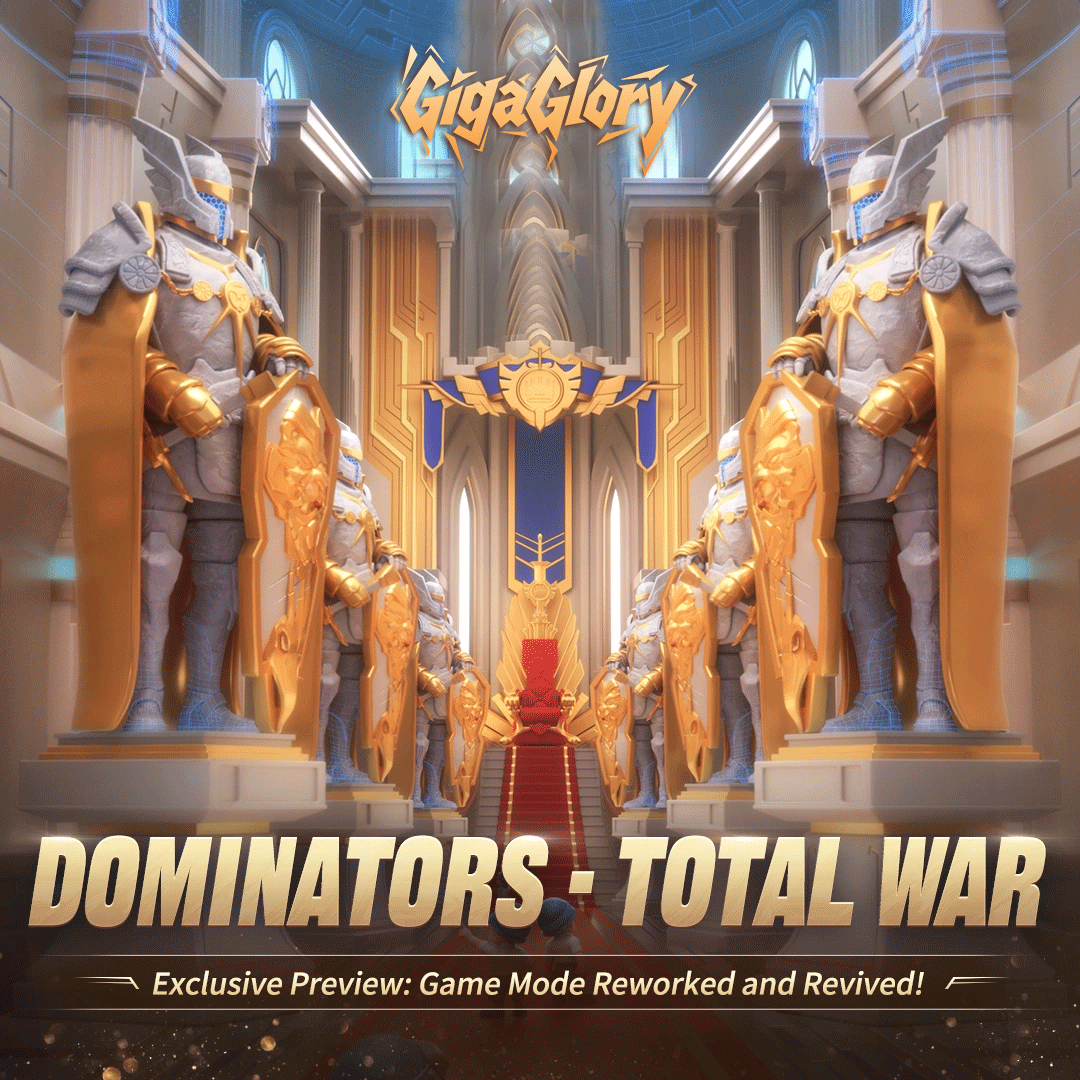
Take for instance, Delta Force Airborne, which exemplifies the personalized experience many indie developers strive for. The allure of Delta Force lies in its distinctive art style and narrative-driven gameplay. This game captures the essence of what makes the indie scene exciting.
Goals of Indie Strategy Games
Indie strategy games have specific goals that set them apart:
- To challenge the established norms of gameplay.
- To foster a sense of community among players.
- To make strategy accessible to a broader audience.
Understanding Player Demographics

It's crucial to delve into who plays these games and why. Indie strategy games attract a diverse group of players, often appealing to fans of traditional games but also drawing in younger audiences with innovative mechanics.
The Visual and Auditory Experience
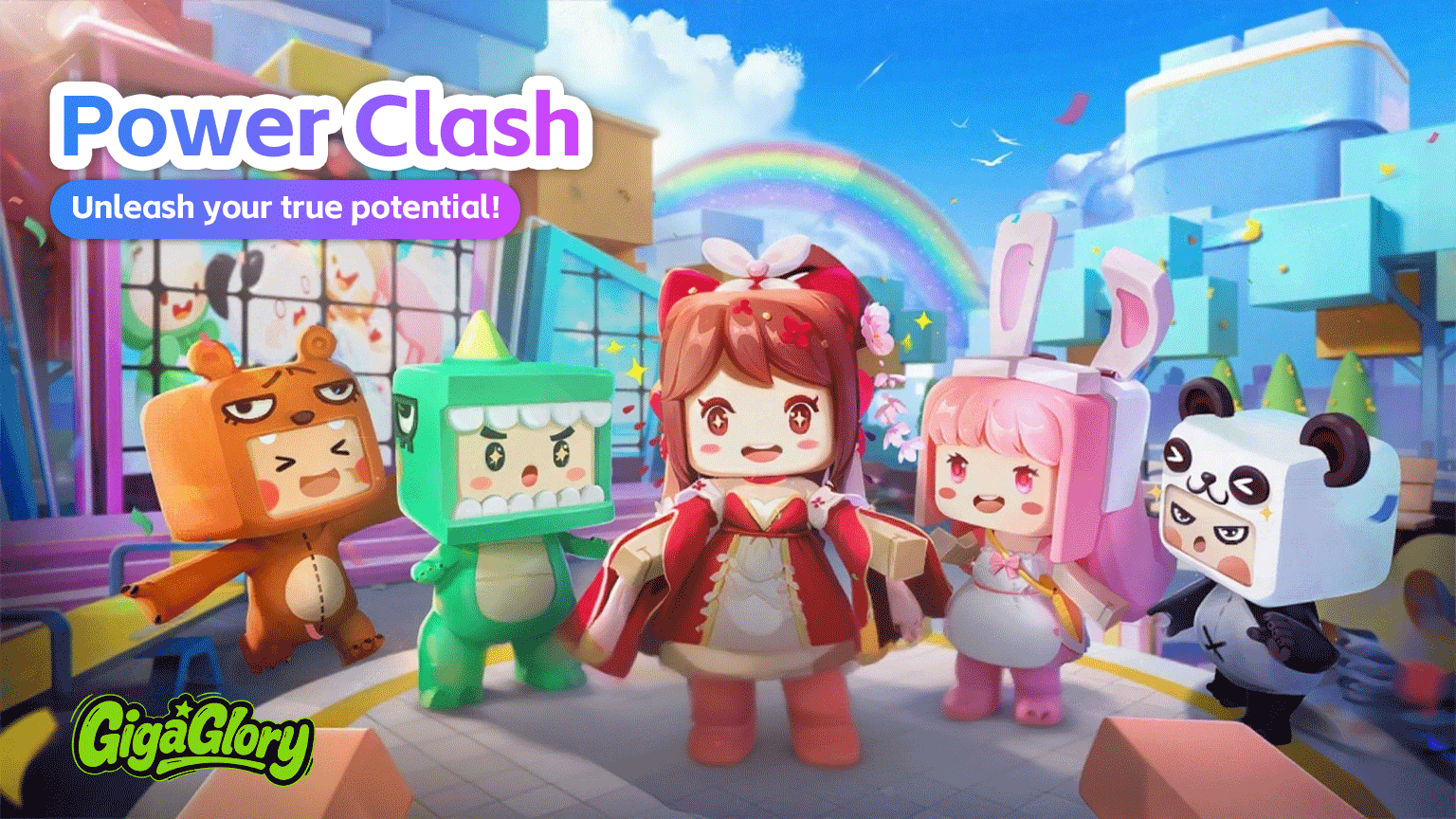
Art and sound in indie strategy games often reflect the creators' personal styles. Vibrant colors, atmospheric sounds, and engaging character designs enhance player immersion. These aspects can sometimes overshadow the gameplay itself.
Community and Feedback
Indie developers often rely on community feedback to refine their games. Players often participate in forums, providing insights that lead to better gameplay experiences. This dynamic interaction fosters a tightly knit community that contributes to the game's ongoing development.
Challenges Faced by Indie Developers

Despite their successes, indie developers face numerous challenges:
- Funding: Many rely on crowdfunding or personal funds to get started.
- Visibility: Standing out in a crowded market can be tough.
- Technical Issues: Limited resources can lead to bugs or incomplete features.
The Future of Indie Strategy Games
As technology continues to evolve, so too will indie strategy games. The rise of online platforms makes it easier for indie developers to release their games and connect with audiences. We can expect more innovations that push the boundaries of traditional gaming.
Platforms for Indie Strategy Games

Where can players discover new indie strategy games? Several platforms are dedicated to showcasing indie titles:
- Steam: A leading platform for PC gaming with a robust indie section.
- itch.io: A haven for indie developers, offering a wide range of unique games.
- Epic Games Store: Although mainly known for AAA titles, it features indie games prominently.
The Impact of Censorship on Indie Games
In regions like Hong Kong, censorship can affect the storytelling and themes present in indie games. Developers often push back against these limitations, creating works that challenge societal norms while concurrently resonating with local audiences.
A Social Commentary

Indie strategy games often serve as a lens for social commentary. They address important issues—like politics, identity, and environmental concerns—through gameplay, offering deeper narratives that encourage players to think critically.
Monetization Models

Unlike mainstream games that often rely on high price points, many indie strategy games adopt alternative monetization models:
- Freemium: Free to play with optional purchases.
- Pay-What-You-Want: Players decide how much to pay.
- Subscription: Regular updates and content for a monthly fee.
Conclusion

Indie strategy games are indeed revolutionizing the gaming landscape. They bring innovation, creativity, and community engagement to the forefront of game design. Whether diving into a unique narrative-driven experience or participating in the evolving community feedback loop, players have much to look forward to. As we embrace these titles, it’s clear they will continue to shape the future of gaming in exciting ways.
To sum it up, the indie strategy game scene isn't just a niche; it's an essential part of the larger gaming ecosystem that is continually pushing boundaries, offering fresh experiences, and challenging the status quo.